
Junk Removal in Redding, CA

Plain notes on junk removal in Redding, CA: clearing garages, attics and sheds in older houses around the summer heat, and where each kind of load goes in Shasta County.

What We Cover

Junk Removal in Redding, CA

Junk removal in Redding, CA follows the weather more than the calendar. From June through September the afternoons climb into triple digits, so a crew that wants to finish a job starts at first light and has the truck loaded before the heat settles on the driveway. Shasta County gives a hauler a wide set of places to take material, and the first decision on any job is which pile goes where.

Garages, attics and sheds in older houses

Much of the housing near downtown and out toward Anderson was built before attics were framed for storage, and many garages have been filling since the seventies. A cleanout there starts with access: the width of the hatch, the slope of the driveway, whether a box truck can back in. The heavy items load first, the light bulky ones go on top, and anything that holds a refrigerant or a battery is set aside before the first trip.

Where the material goes

Household junk, yard waste, e waste and appliances each take a different route. The transfer station and the landfill weigh every load, so the weight ticket becomes the record of the trip. Mattresses, freezers and old televisions have their own drop points, and a crew that sorts at the curb avoids a turned-around load at the gate.

Summer, fire season and the work schedule

People around Redding remember the Carr Fire, and dry brush stacked beside a shed or a fence is usually the first thing a homeowner wants gone. The same heat that dries the brush limits how long a person can work in a closed attic, so the hot spaces go in the early window and the interior rooms wait for the afternoon.

What the pages here cover

The pages on this site take one question each: the order of a garage cleanout, clearing an older attic, sorting a backyard shed, items that need separate handling, scheduling around summer heat, and matching a load to a box truck, a dump trailer or a roll off dumpster. The posts go further into the planning behind a full cleanout.

Latest Guides

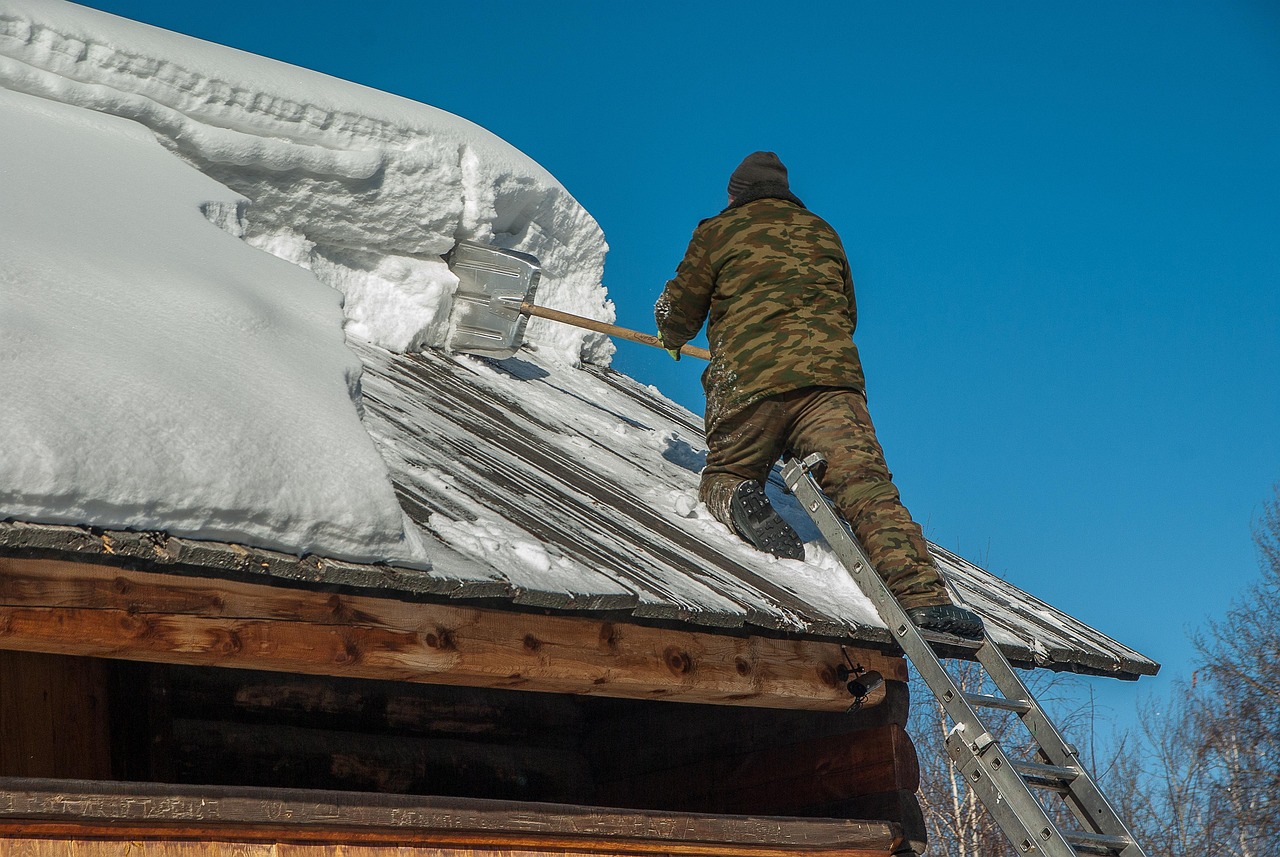
A worker on a ladder shoveling heavy snow off a wooden cabin roof

Protecting an Older Redding House During a Heavy Cleanout

2026-10-14

Why does an older Redding house need protection during a heavy cleanout?

An older Redding house needs protection because its floors, doorways and drives were built for lighter traffic than a hauling crew creates. Oak floors from the fifties scratch under a dolly. Plaster walls chip at the corner of a trunk. A concrete apron cracks under a loaded dump trailer. The crew that plans protection before the first trip saves the owner a second project after the cleanout.

The same rule runs through every surface: cover what is hard to repair, pad what is likely to be hit, and move heavy things on the right wheels.

What protects the floors between the garage and the truck?

Walk the route once with nothing in hand and note every turn, step and threshold. Those are the places where a loaded cart stops, tips or scrapes, and each one gets its own cover before the first trip.

Hardboard sheets and runners protect the floor along the main route. The route is picked first, usually the shortest line from the item to the door with the fewest turns, and the covering follows it. Rubber-backed runners stay put on tile and wood, and sheets of hardboard take the weight of a loaded dolly without denting.

On bare concrete in a garage there is little to protect, but the transition from the garage to the house is often a raised threshold with a rubber seal. A ramp board over the threshold keeps a heavy cart from tearing the seal.

How are doorways and corners padded?

Corners get foam or moving blankets taped at the height of a dolly handle and a shoulder. Older homes have narrow hallways with plaster corners that chip easily, and a trunk carried at an angle hits the same corner several times in a row. A blanket held in place with painter's tape costs a minute to hang and avoids a patch job.

Door frames are padded on both edges. Doors that can be lifted off their hinges are sometimes removed for the day, which gains a few inches of clearance and spares the frame.

Which surfaces need which protection?

The table below matches each common surface in an older house with the usual cover and the usual mistake.

SurfaceUsual protectionCommon mistake
Oak or fir floorHardboard sheets over runnersDragging a trunk instead of lifting
Tile entryRubber-backed runnerUsing a dolly with hard wheels
Plaster cornerMoving blanket taped at shoulder heightTaping directly onto old paint
Garage slabNone needed, sweep afterLeaving oil and rust marks from stored items
Concrete driveway apronPlywood under trailer wheels and dumpster cornersParking a loaded trailer on the edge
Lawn and sprinkler headsPlywood path and flagged headsBacking the truck across the lawn

Taping onto old paint deserves a note. Painter's tape pulls up flaking paint in a house with decades of coats, so blankets are hung from door tops or held with clamps when the paint is in doubt.

What happens to the driveway and the yard?

The driveway is the most abused part of the job. A roll off dumpster is heavy before it is filled and far heavier after, and its steel edges bite into asphalt softened by a Redding summer. Plywood or thick boards under the contact points spread the weight, and a level, hard spot with no buried sprinkler line or septic lid under it is chosen before the container is dropped. A dump trailer parked with its tongue on a cracked apron gets the same treatment.

The lawn is protected by keeping vehicles off it. Sprinkler heads near the driveway are flagged with stakes or bright tape so nobody backs over them. Where a truck has to cross the grass, a path of plywood sheets does less damage than tires, especially after the sprinklers have run.

How are wiring and plumbing protected in a shed or attic?

Wiring in old attics and sheds is often exposed, brittle and surface-mounted. The crew finds the panel and the main water shutoff before moving anything, and stacks nothing against either. In an attic, loose cloth-covered wire runs across the joists, and a dropped box can pull it loose. Lighting is clipped to a joist overhead where it cannot be kicked.

A shed with an extension cord run to a freezer or a workbench gets the cord unplugged and rolled before the cleanout starts. An overhead lamp left on in a hot shed is a small fire risk, and it is the kind of detail that is easy to miss in the rush of loading.

What is done about dust, and about insulation?

Dust is controlled by wetting surfaces and by working slowly near insulation. A fine mist on a dusty shelf holds the dust in place, and a respirator rated for fine particles protects the person doing the lifting. Loose attic insulation is left where it lies unless it has been identified, because the oldest material may be something that should not be disturbed.

Plastic sheeting over doorways keeps dust from traveling into the rest of the house. The sheeting is taped to the top of the frame only, so it hangs like a curtain and lets people pass.

How does a crew protect itself?

A crew protects itself with gloves, closed shoes, eye protection and a plan for the heat. Summer in Shasta County makes every other safety measure harder, because a worker who is overheated lifts badly, steps badly and decides badly. Water on the tailgate and breaks in the shade are part of the plan, and no one works alone in an attic or a closed shed.

Lifting follows a simple rule. Two people carry anything that has to be gripped on both sides, and anything that rolls goes on a dolly with soft wheels. Heavy items go on the truck first and are strapped against the cab wall.

What gets checked at the end of the day?

The end of the day includes a walk-through of the route. The crew looks for scuffs on the floor, chips on the corners, marks on the driveway and sprinkler heads out of line, and anything found is photographed and noted for the owner. Fixing a small scratch the same day is easier than explaining it a week later.

The weight tickets from the landfill and the transfer station are collected, the hazardous items are accounted for, and the staging area on the driveway is swept clean. A house that looks the way it did when the crew arrived, minus the clutter, is the sign the plan worked.

Can any of this be done without a crew?

Most of it can, because the protections are cheap and the method is simple. Runners, blankets, plywood and a dolly with soft wheels are the core kit. The hard part is the pace, which slows down when the owner is the one lifting and the afternoon is already hot.

A second pair of hands is not optional for a mattress, a refrigerator or a hot tub shell.
Read more →

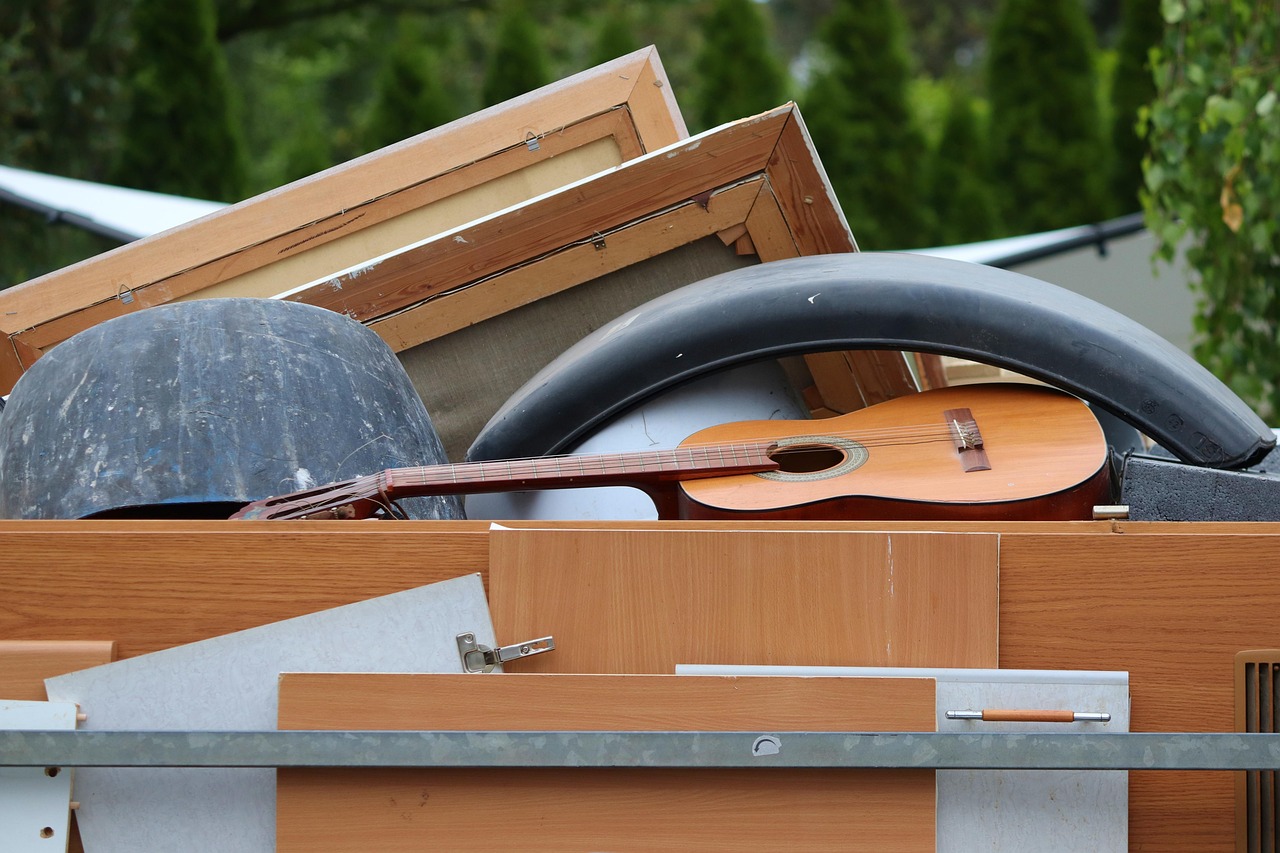
A trailer loaded with old cabinet panels, picture frames and a guitar

Questions Redding Homeowners Ask Before a Garage, Attic or Shed Cleanout

2026-10-14

How early should a cleanout in Redding start in summer?

A cleanout in Redding should start at first light and wrap the hot spaces by late morning. Summer afternoons in Shasta County regularly reach triple digits, and an attic, a closed shed or a garage with a black roof holds that heat long after the sun moves. Crews that start at six get three productive hours before the metal on the truck becomes too hot to handle. Crews that start at one in the afternoon spend most of the shift recovering from the heat instead of loading.

Interior rooms with air conditioning can wait for the afternoon. The garage, the attic and the shed cannot, so they are scheduled first and the cooler rooms are saved as the reward at the end of the day.

What goes first when a garage is packed to the door?

The walkway items go first, because every later trip crosses that floor. Bicycles, folding tables, loose lumber and anything on wheels come out and sit on the driveway in the shade of the house. After that the hazards are pulled into their own pile, then the heavy pieces go on the truck, then the bulky light ones go on top. Small boxes are last, and they are where the pace drops.

A garage in an older Redding house often has an uneven slab, a low door and a water heater tucked in a corner. The crew checks where the heater and the panel are before anything is stacked near them, since both need a clear path afterward.

Why is an old attic harder than a garage?

An old attic is harder because the opening is small, the footing is limited and the air is hot. Many houses built before the sixties have a hatch barely wider than a person, and the ceiling below is plaster or thin board that cannot take a boot. Everything that comes down has to pass through that opening, which rules out whole mattresses, large trunks and any furniture that was carried up before the roof was finished.

Crews lay plywood across the joists, work in a respirator and pass items down by hand or by rope. They also clear the lightest pieces first, so the area around the hatch opens up and the heavy pieces have room to move. Insulation that has settled over decades stays where it is unless someone has identified it.

What is the right way to sort a backyard shed?

The right way is four piles: keep, donate, recycle and haul. A shed that has been closed through a few summers usually holds more of the last pile than the owner expects, because rodents, moisture and heat turn cardboard, fabric and wood into waste. Open the door and let it air for a few minutes first, and check for nests before reaching into corners.

Old fuel cans, paint, pesticide and oil are set aside in a plastic bin. They are household hazardous waste and are taken to a proper drop-off in Shasta County. They never ride in the general load.

Which items cannot go in the same load as ordinary junk?

Refrigerators and freezers, televisions and monitors, mattresses and hot tubs each have their own route. A refrigerator holds refrigerant that has to be recovered before the shell is recycled. A television counts as e waste and goes to electronics recycling. A mattress and its box spring are collected for mattress recycling where the program exists, and a hot tub is cut into pieces before it moves anywhere.

A transfer station can turn a load around when it finds any of these mixed in. The cheapest habit on the job is sorting at the curb before the truck arrives, with four labeled groups: appliances, electronics, mattresses and everything else.

How is the load sized?

The load is sized in truck fractions for light items and in weight for heavy ones. A single room of furniture is a quarter or a half of a box truck. A garage of boxes is closer to a full truck. Concrete, brick and soil are counted by weight, and they belong in a dump trailer or a separate container, not in the box truck.

Weight matters because the landfill charges a tipping fee by the ton and issues a weight ticket on every load. A mixed load of light junk and heavy debris is better split into two trips, so the heavy part does not set the price for the light part.

What does a roll off dumpster do that a truck does not?

A roll off dumpster sits in the driveway for several days, and the household fills it on its own schedule. It suits a full house cleanout, a remodel or an estate job, where the work stretches across a week and nobody wants a crew standing around. It needs a hard, level spot, and plywood under the corners protects older concrete or asphalt.

A box truck suits a one-day job with a crew on site. A dump trailer suits heavy loose material. The three setups overlap, and the access to the property usually decides the choice more than the volume does.

How does driveway access change the job?

Driveway slope, overhead wires, parked cars and low branches decide more jobs than the amount of junk does. Older neighborhoods near downtown Redding have narrow streets and short drives, while properties toward Shasta Lake or Anderson often have long gravel approaches. A dump trailer is easier on a long, flat drive. A box truck is easier on a narrow street.

The simplest check is to walk from the curb to the door and look up. Any wire, branch or tight turn that would stop a truck is easier to deal with the day before than the morning of the job.

What about brush and yard waste after a fire season?

Brush and yard waste come out early, because dry material beside a house or a shed is a fire risk. Redding still remembers the Carr Fire, and many owners now clear branches, dead shrubs and old fence boards before anything else. Green waste is hauled separately from construction debris, because the landfill routes them differently, and loads of loose brush travel covered so nothing blows out on the road.

No cutting or grinding happens on a red flag day or when the wind is up. Those days are used for sorting and loading instead.

How does a crew treat things worth keeping?

A crew sorts at the point of removal, not at the truck. Photographs, tax papers, tools and anything with sentimental weight get set aside in a labeled box before the rest of a room is cleared. Estate and downsizing jobs run slower for this reason, and a crew that hurries through a box of papers is the crew that hauls away something the family wanted.

Donation piles are kept clean and dry. Furniture left in the sun for an hour in July is often too hot to handle and sometimes damaged, so the donate pile is staged in shade or under a tarp.

What does a finished job look like?

A finished job is a swept floor, a clear path to the water heater and the electrical panel, and a short list of things that stayed. The weight tickets from the landfill and the transfer station are kept with the paperwork so every load is accounted for. Cracks, stains and soft spots that clutter used to hide are now visible, which tells the owner what the next project is.

The hauling is the easy part of a cleanout. The planning, the sorting and the timing around the heat are where the work is done.

Read more →